
Morgantown Rear-End Collisions At a Glance
- Rear-end crashes in Morgantown often result from distraction, tailgating, speed, weather, and heavy traffic congestion.
- Fault usually involves the rear driver, but West Virginia comparative negligence can shift liability in some cases.
- Injuries include whiplash, concussions, spinal damage, and soft tissue harm requiring prompt medical evaluation and documentation.
- Victims may recover compensation for medical costs, lost wages, and pain, though insurers often undervalue claims.
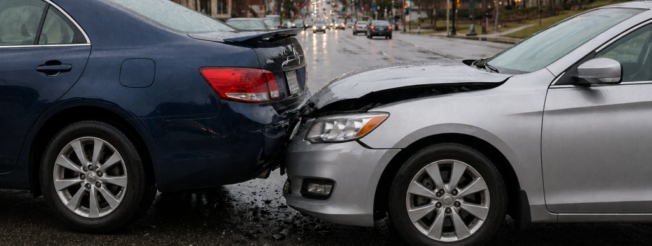
Morgantown Rear-End Collision Lawyer Guide
Rear-end collisions are among the most common types of car accidents in Morgantown, West Virginia. Whether they happen on I-79 during heavy traffic, at stoplights on University Avenue, or in congested areas near the WVU campus, these crashes often seem straightforward—but legally, they can be far more complex than most people realize.
While many assume the rear driver is always at fault, that is not automatically true in every case. Factors like sudden stops, defective brake lights, road hazards, multi-vehicle chain reactions, and comparative negligence laws in West Virginia can all affect liability and compensation.
This comprehensive guide explains everything you need to know about rear-end collisions in Morgantown, including causes, injuries, fault rules, insurance issues, settlement values, and when to contact a Morgantown car accident lawyer.
Why Rear-End Collisions Are So Common in Morgantown
Morgantown’s roadways create a perfect environment for rear-end crashes due to a combination of traffic congestion, unpredictable weather, and frequent stop-and-go driving conditions.
High-risk local factors include:
- Heavy traffic on I-79 interchanges
- Frequent congestion near WVU campus
- Stop-and-go traffic on University Avenue
- Commercial traffic along Patteson Drive
- Winter weather, ice, and reduced visibility
- Sudden pedestrian crossings in downtown areas
Even at low speeds, rear-end collisions can cause significant injuries and vehicle damage, especially when larger SUVs or trucks are involved.
What Causes Rear-End Collisions in West Virginia?
Rear-end crashes are rarely caused by a single factor. In most Morgantown cases, multiple contributing issues are involved.
1. Distracted Driving
One of the leading causes of rear-end accidents is driver distraction, including:
- Texting or using a phone
- Adjusting GPS systems
- Eating or drinking while driving
- Talking to passengers
Even a few seconds of distraction can result in a serious crash.
2. Following Too Closely (Tailgating)
Drivers who fail to maintain a safe following distance are often unable to stop in time when traffic slows unexpectedly.
West Virginia law requires drivers to follow at a reasonable and prudent distance based on speed, traffic, and road conditions.
3. Sudden or Illegal Stops
Not all rear-end collisions are the trailing driver’s fault. Liability may shift when:
- A driver stops suddenly without warning
- Brake lights are not functioning
- A driver reverses unexpectedly
4. Speeding and Aggressive Driving
Speeding reduces reaction time and increases stopping distance. In Morgantown traffic corridors, this is a frequent contributing factor.
5. Weather and Road Conditions
West Virginia weather plays a major role in rear-end collisions:
- Snow and ice reduce traction
- Heavy rain increases stopping distance
- Fog limits visibility on rural roads
Drivers are expected to adjust their behavior accordingly.
Common Injuries in Rear-End Collisions
Even at low speeds, rear-end collisions can cause serious injuries due to the sudden forward-and-backward motion of the body.
1. Whiplash
Whiplash is the most common injury and occurs when the neck rapidly snaps forward and backward.
Symptoms include:
- Neck pain and stiffness
- Headaches
- Reduced range of motion
- Shoulder pain
2. Traumatic Brain Injuries (TBI)
Even without direct head impact, rapid acceleration can cause the brain to move inside the skull.
Symptoms may include:
- Confusion
- Memory problems
- Dizziness
- Nausea
3. Back and Spinal Injuries
Rear-end collisions can cause:
- Herniated discs
- Lumbar strain
- Chronic lower back pain
4. Soft Tissue Injuries
Muscles, ligaments, and tendons may be stretched or torn, leading to long-term pain and mobility issues.
In West Virginia, fault is determined under a modified comparative negligence system.
General rule:
The rear driver is often presumed at fault—but not always.
Exceptions where the front driver may share or bear fault:
- Sudden unexplained braking
- Non-functioning brake lights
- Illegal or unsafe lane changes
- Road debris forcing sudden stops
- Multi-vehicle chain reaction crashes
West Virginia Comparative Fault Rule
Under state law:
- You can recover compensation as long as your share of fault is not greater than the combined fault of everyone else responsible, which means recovery is still possible at 50% fault
- Your compensation is reduced by your percentage of fault
Example: If you are awarded $10,000 but found 20% at fault, you recover $8,000.
What to Do After a Rear-End Collision in Morgantown
Taking the right steps immediately after a crash can significantly impact your claim.
Step 1: Call 911
Always report the accident and request medical assistance if needed.
Step 2: Get Medical Attention
Some injuries are delayed and worsen over time.
Step 3: Document the Scene
Take photos of:
- Vehicle positions
- Damage
- Road conditions
- Traffic signals
Step 4: Exchange Information
Collect:
- Driver names
- Insurance details
- License plate numbers
Step 5: Avoid Admitting Fault
Even casual statements can be used against you later.
Step 6: Contact a Lawyer Early
Early legal intervention can preserve evidence and protect your claim.
Insurance Issues in Rear-End Collision Claims
Insurance companies often try to minimize payouts by:
- Disputing injury severity
- Arguing pre-existing conditions
- Claiming comparative fault
- Offering quick low settlements
Common tactics include:
- Requesting recorded statements
- Delaying claim processing
- Downplaying medical evidence
Having legal representation helps counter these strategies.
What Is a Rear-End Collision Claim Worth?
Every case is different, but settlement value typically depends on:
- Severity of injuries
- Medical treatment required
- Time missed from work
- Property damage
- Long-term disability or pain
Potential compensation includes:
- Medical bills
- Lost wages
- Future medical care
- Pain and suffering
- Reduced earning capacity
Severe injury cases can result in significantly higher settlements.
How Long Do You Have to File a Claim in West Virginia?
In most cases, the statute of limitations for personal injury claims in West Virginia is:
- 2 years from the date of the accident
Missing this deadline may permanently bar your claim.
When to Contact a Morgantown Rear-End Collision Lawyer
You should consider contacting an attorney if:
- You suffered injuries requiring medical treatment
- Fault is disputed
- Insurance is denying or delaying your claim
- You missed work due to injuries
- You are facing long-term medical issues
A lawyer can help:
- Investigate the crash
- Gather evidence
- Negotiate with insurance companies
- File a lawsuit if needed
Final Thoughts
Rear-end collisions in Morgantown may appear straightforward, but insurance companies and legal fault rules often make these cases more complex than expected. Understanding your rights, documenting evidence early, and seeking medical care are critical steps in protecting your claim.
If you or a loved one has been injured in a rear-end collision anywhere in Morgantown or Monongalia County, taking early action can significantly impact the outcome of your case. Contact a Slavey & Shumaker PLLC Morgantown Rear-End Collision Lawyer today or use our Car Accident Submission Form below.
❓ Frequently Asked Questions
Below are answers to some of the most common questions about rear-end accident claims in Morgantown and throughout West Virginia. After a crash, people often have urgent questions about medical care, insurance claims, fault rules, and what their case may be worth.
Are rear-end collisions always the rear driver’s fault?
No. While often presumed, fault depends on the facts of the case.
Can I recover compensation if I was partially at fault?
Yes. Under W. Va. Code § 55-7-13c(c), you can recover as long as your fault is not greater than the combined fault of everyone else responsible, and your award is reduced by your percentage of fault.
Should I accept the first settlement offer?
Usually no. Initial offers are almost always lower than case value.
What if my injuries appeared days later?
Delayed symptoms are common and should still be documented medically.